
Professional Mold Removal Services in Albany, NY
Albany Mold Remediation provides professional mold removal services for homes and businesses in Albany, NY. As a New York State licensed mold remediation contractor, we contain the affected area, remove or clean mold-damaged materials, and help you deal with the moisture that caused the growth. Emergency service is available 24/7.
Albany Mold Remediation: Key Facts
- Company: Albany Mold Remediation
- Services: mold removal and mold remediation for residential and commercial properties
- Service area: Albany, NY
- License: New York State licensed mold remediation contractor, working under NYS Labor Law Article 32
- Availability: 24/7 emergency service
- Experience: 25+ years, 500+ projects completed
- Contact: admin@albanymoldremediation.com or the online request form
Our Mold Removal and Remediation Services
Every mold problem starts with moisture, but the right approach depends on where the mold is and what caused it. Choose the service that matches your situation.
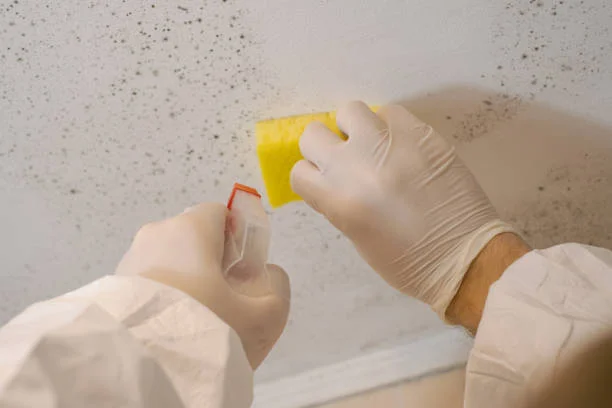
Residential Mold Remediation
Mold removal for houses, apartments and rental homes, from a single bathroom ceiling to a whole basement.
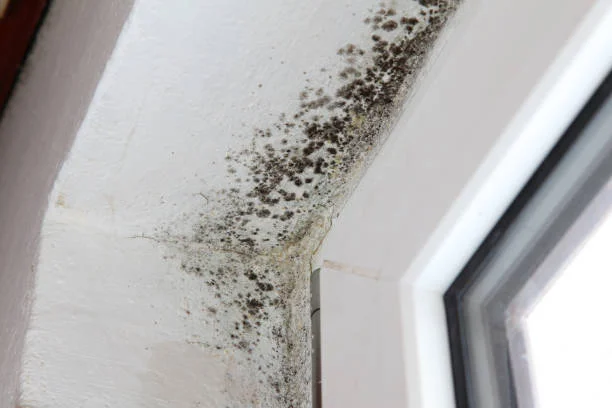
Commercial Mold Remediation
Remediation for offices, retail spaces, rental buildings and other commercial properties, with containment planned so unaffected areas can stay in use where possible.
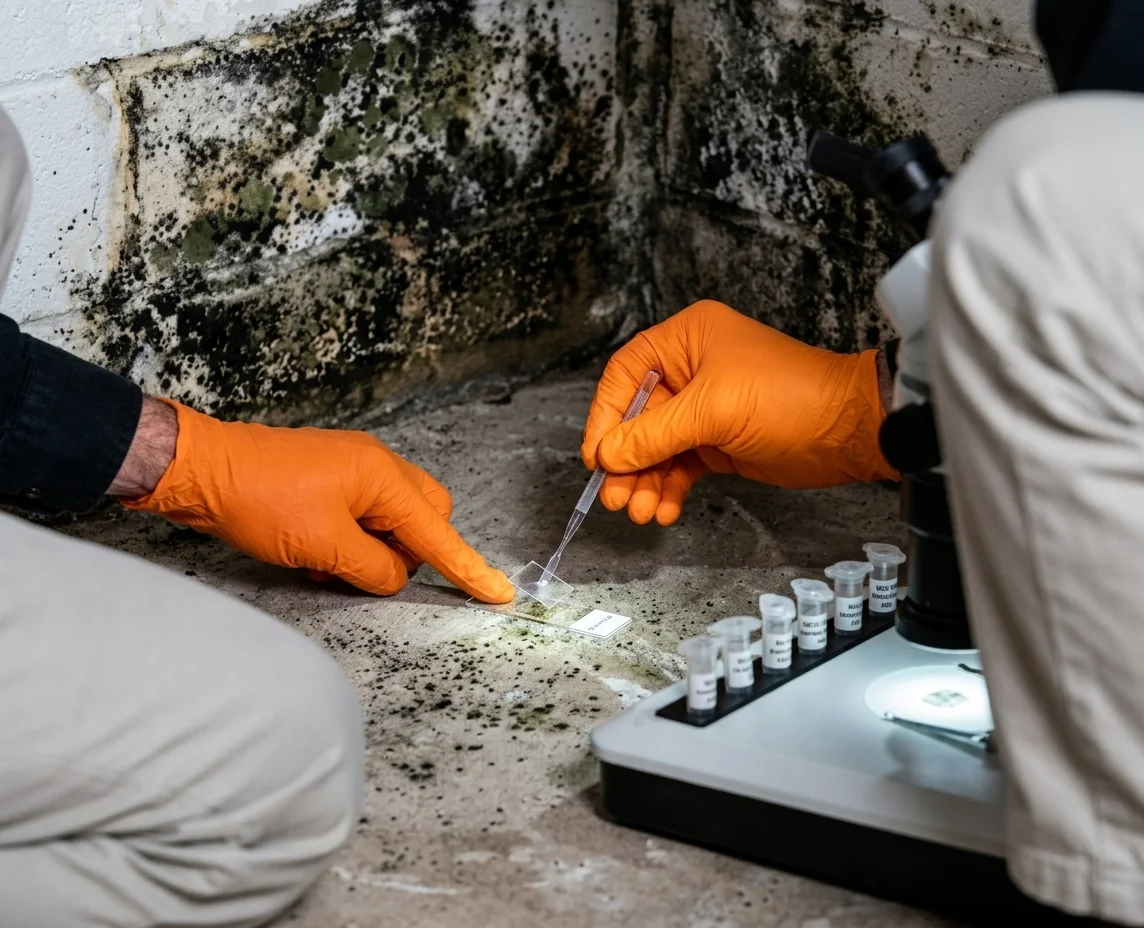
Black Mold Removal
Removal of dark-colored mold growth. Color alone doesn't tell you how dangerous mold is, so we focus on how much is growing, where, and why.
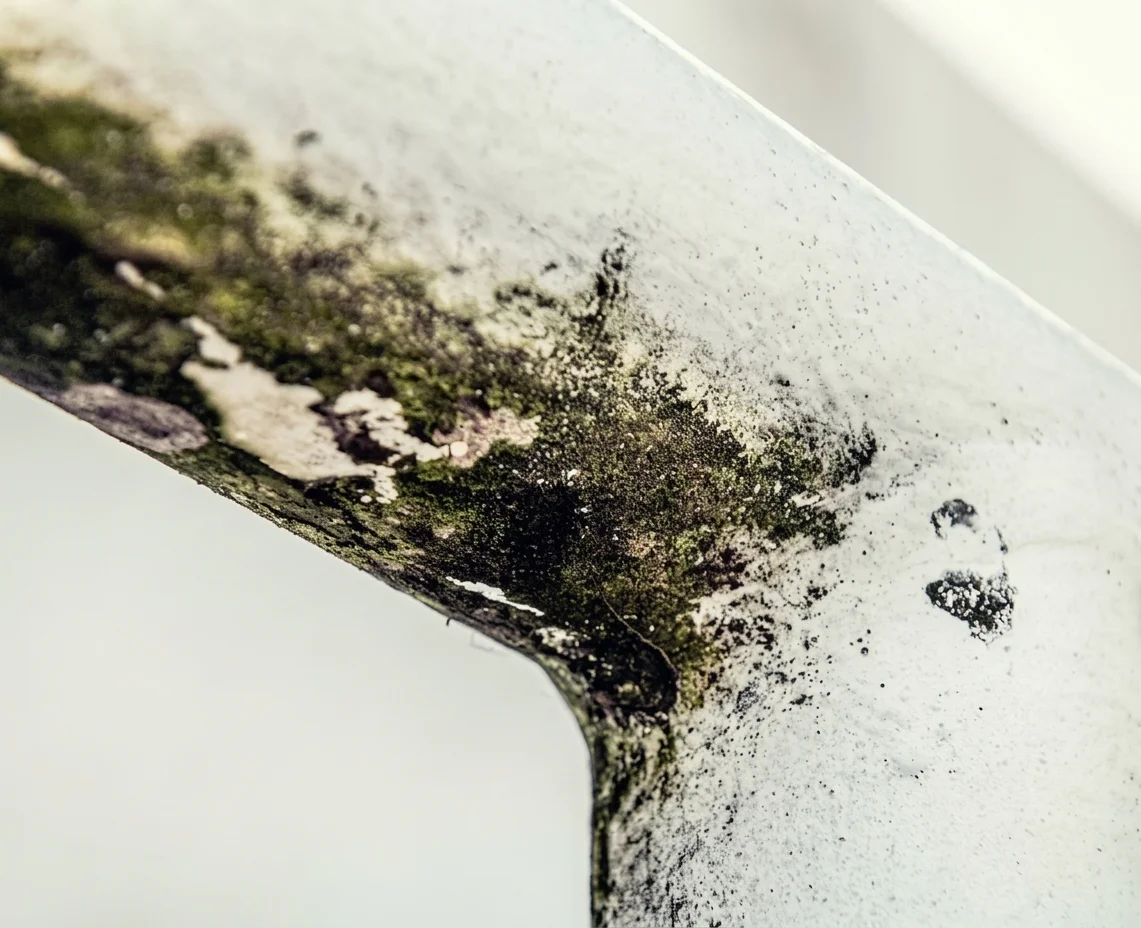
Emergency Mold Removal
24/7 response when mold follows flooding, a burst pipe or another sudden water problem, to limit how far it spreads.
Hidden Mold Remediation
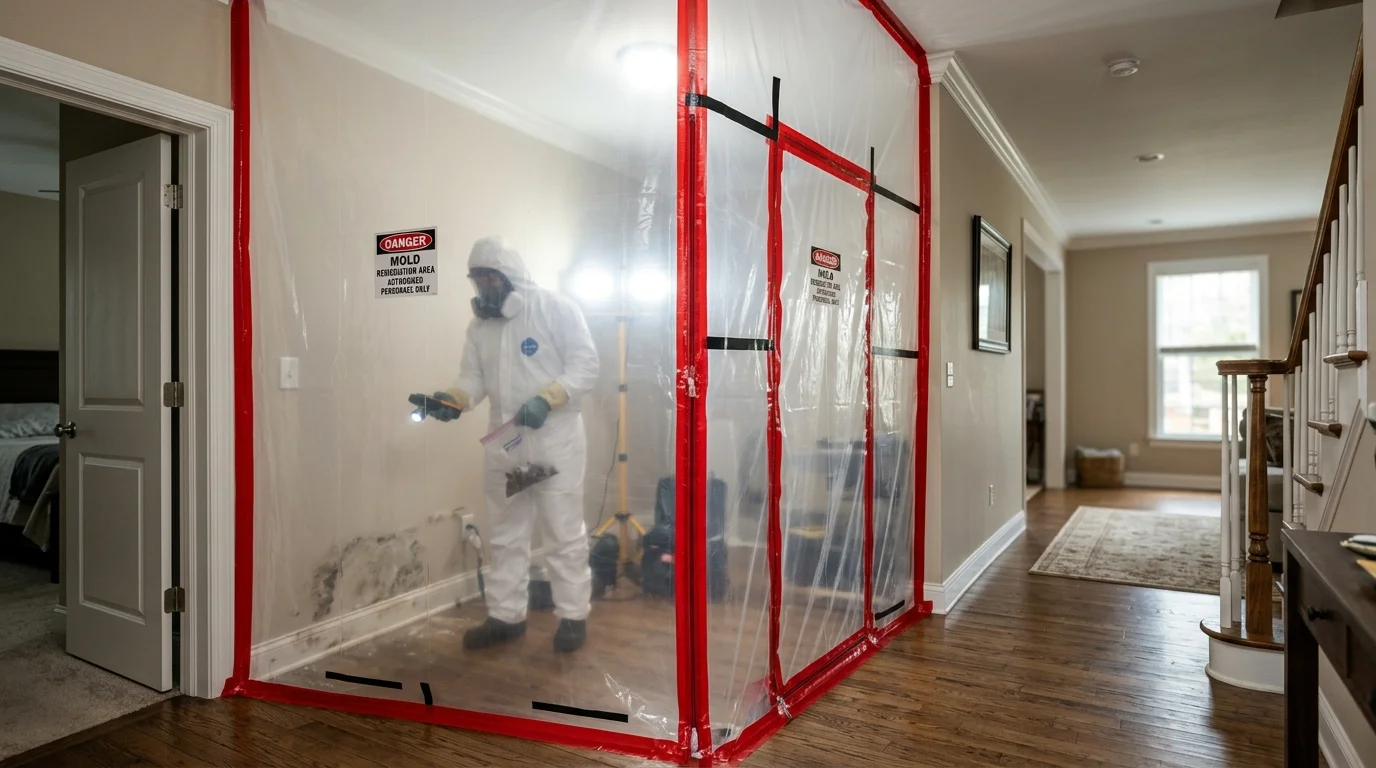
Remediation for mold behind walls, above ceilings and under floors, often signaled by a musty smell, staining or a past leak.

Water Damage Mold Remediation
Mold remediation after leaks, floods and slow plumbing failures, where wet building materials have started to grow mold.
Sewage Mold Remediation
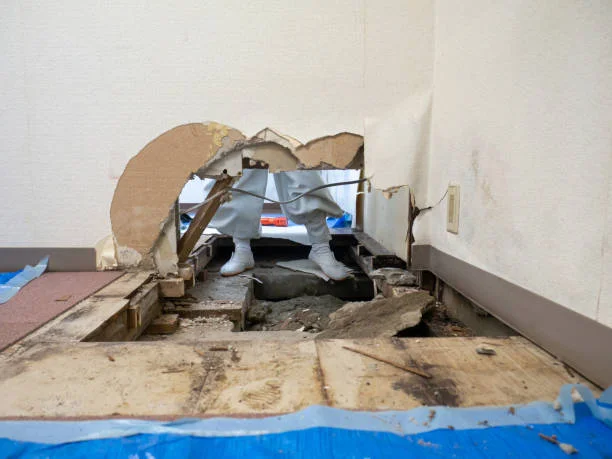
Remediation after sewage backups, where contaminated water and mold growth both need careful handling.
What Do Professional Mold Removal Services Include?
Professional mold removal services include sealing off the affected area, filtering the air, removing mold-damaged porous materials, cleaning the surfaces that remain, drying the space and documenting the work. In New York, projects larger than 10 square feet follow a written plan from an independent licensed mold assessor.
Containment
Plastic barriers and negative air pressure keep mold spores from drifting into clean rooms.
Air Filtration
HEPA-filtered air scrubbers capture airborne particles while the work is underway.
Removal of Porous Materials
Drywall, insulation and carpet pad that can't be reliably cleaned are bagged and taken out.
Cleaning
Framing and hard surfaces are HEPA-vacuumed and cleaned.
Drying and Moisture Control
Affected materials are dried, and the moisture source is identified so it can be repaired.
Documentation
A written work plan before work begins, plus records of what was done for you, your assessor and your insurer.
Mold Removal vs. Mold Remediation: What's the Difference?
Mold removal means physically taking out mold and the materials it has damaged. Mold remediation is the complete process around it: containing the area, removing and cleaning contaminated materials, drying the space and confirming the result. Mold spores exist naturally indoors and out, so the realistic goal is to clean up the growth and fix the moisture that feeds it.
How Mold Remediation Works in New York State
New York’s mold law, Article 32 of the NYS Labor Law, covers projects larger than 10 square feet and splits the work between two independent licensed companies. The company that judges the problem is never the one paid to fix it.
1. Independent Mold Assessment
A licensed mold assessor inspects the property and writes a remediation plan: the areas involved, the methods, the clearance criteria, and an estimated cost and timeframe.
2. Remediation Work Plan
We prepare a written work plan based on the assessor's plan and give it to you before work begins.
3. Containment and Remediation
We isolate the work area, run air filtration, and remove or clean affected materials as the plan specifies.
4. Moisture Correction
The moisture source is identified so the right trade, such as a plumber, roofer or waterproofing contractor, can repair it.
5. Clearance
The assessor returns for a post-remediation assessment and issues a written clearance report when the work passes. Containment stays up until then.
The NYS Department of Labor publishes lists of licensed mold assessors and remediation contractors, so you can check any company’s license before you hire.
Signs You Need Professional Mold Removal
- Visible mold covering more than about 10 square feet, roughly a 3 by 3 foot patch
- A musty smell that stays even after cleaning
- Mold that keeps coming back in the same spot
- Staining, peeling paint or soft drywall near plumbing, windows or exterior walls
- A leak, flood or sewage backup that wasn't professionally dried
- A home inspection report that flags mold during a sale
Why Albany Homes and Buildings Are Prone to Mold
Albany’s older housing, below-grade basements and humid summers give mold plenty of chances to grow.
- Older housing: many homes in neighborhoods such as Center Square, Pine Hills and the South End were built long before modern vapor barriers and ventilation.
- Basements: below-grade spaces collect moisture from groundwater, foundation seepage and condensation.
- Humid summers: Hudson Valley humidity raises indoor moisture, especially in closed-up rooms and basements.
- Winter melt and ice dams: freeze-thaw cycles push water into roofs, attics and foundations.
How Much Do Mold Removal Services Cost in Albany?
The cost of mold removal services depends on how large the affected area is, which materials need removing, how easy the area is to reach, and whether water damage also needs drying. Under New York law, the independent assessor’s remediation plan includes an estimated cost and timeframe, so you know the expected scope before work starts.
- Size of the affected area and number of rooms
- Material type: removing drywall or insulation costs more than cleaning hard surfaces
- Access: attics and crawl spaces take more setup than open rooms
- Containment level the remediation plan requires
- Ongoing moisture or water damage that needs drying first
- Rebuilding after removal, which is usually priced separately
Why Choose Albany Mold Remediation
NYS Licensed
A New York State licensed mold remediation contractor, working under Article 32 standards.
24/7 Emergency Service
Available around the clock when mold follows sudden water damage.
25+ Years, 500+ Projects
Decades of mold remediation experience across residential and commercial properties.
Residential and Commercial
Homes, rentals, offices and commercial buildings of every size.
Moisture-First Approach
We look for what caused the mold so it is less likely to return.
Clear Paperwork
Documentation for you, your mold assessor and your insurance company.
Mold Removal Services FAQ
Do I need a licensed company to remove mold in New York?
Yes, if you hire someone for a project larger than 10 square feet. Under Article 32, the contractor must hold a New York State mold remediation license. Homeowners cleaning their own property are exempt, but a licensed contractor must follow the state’s minimum work standards.
Can the same company test for mold and remove it?
Not on the same property in New York. State law bars one licensee from doing both the assessment and the remediation, and from owning both companies. This keeps the person who judges the problem independent from the company paid to fix it.
How long does mold remediation take?
It depends on the size of the area, the materials involved and how long drying takes. Small projects may need a day or two of work; larger ones can take several days. The assessor’s clearance check comes after the work, and lab results can add time.
Can I stay in my home during mold remediation?
Often, yes, when the work area can be sealed off from living spaces. Containment and negative air pressure keep particles inside the work zone. People with asthma, allergies or weakened immune systems may prefer to stay away until the work is finished.
Does homeowners insurance cover mold removal?
It depends on your policy and what caused the mold. Mold from a sudden covered event, like a burst pipe, is more likely to be covered than mold from long-term leaks or humidity. Check with your insurer; we document the work to support your claim.
Can I remove mold myself, and does bleach work?
The EPA says areas under about 10 square feet can usually be cleaned by homeowners with detergent and water, wearing gloves and an N-95 mask. Bleach and other biocides aren’t recommended as a routine fix, and moldy drywall or insulation usually needs removal. Larger, hidden or recurring mold calls for professionals.
Will mold come back after remediation?
It can if the moisture problem isn’t fixed. Successful remediation removes the contamination and addresses the leak, condensation or humidity behind it. The EPA recommends keeping indoor humidity below 60%, ideally between 30% and 50%.
Do you offer 24/7 emergency mold removal in Albany?
Yes. When mold follows flooding, a burst pipe or a sewage backup, contact us any time. Drying the area quickly limits how far mold can spread. See our emergency mold removal service.
Get Mold Removal Services in Albany, NY
Tell us what you’re seeing and where. We’ll explain the next step, including whether your project needs an independent assessment under New York law.