
Water Damage Mold Remediation in Albany, NY
Mold can start within 24–48 hours after a leak or flood. Fast drying stops it before it starts; if it already has, we remove it and dry the structure properly — with photos and moisture logs for your insurance.
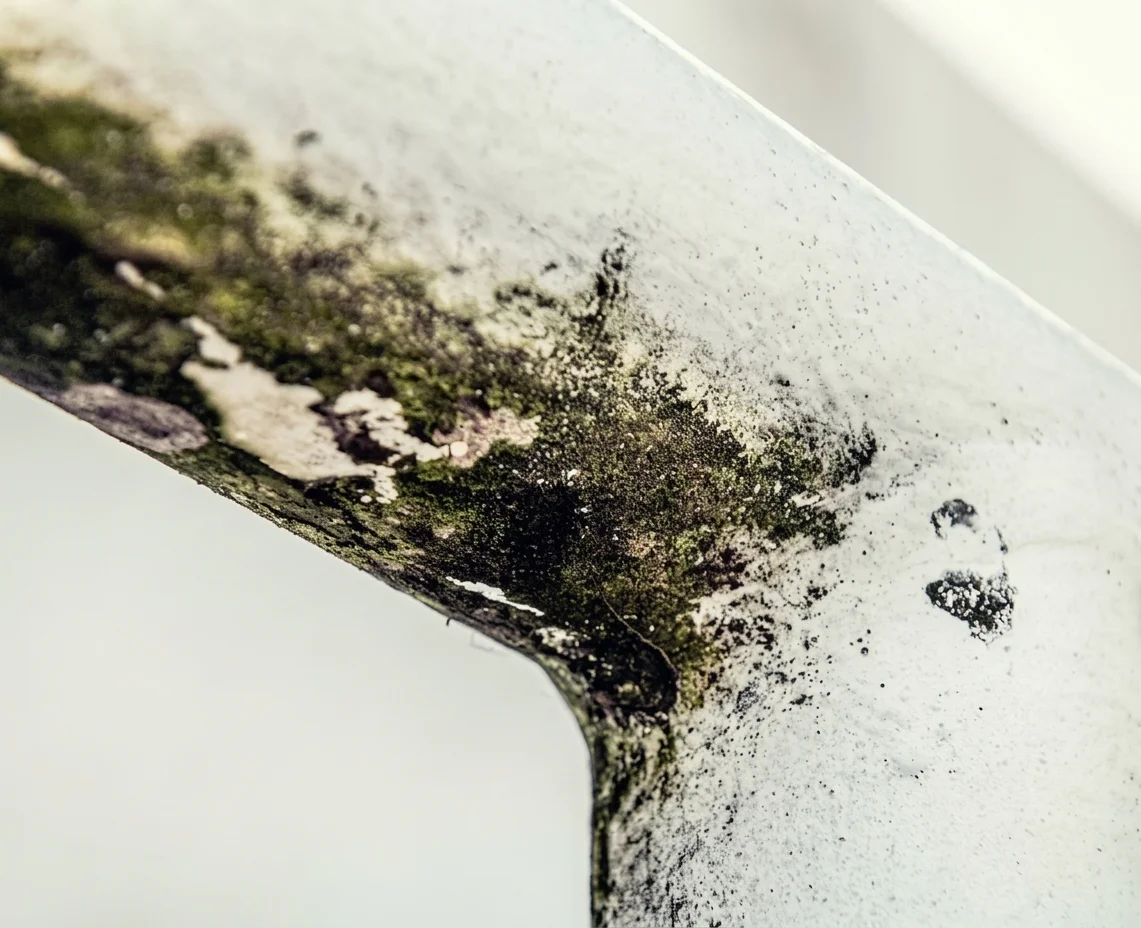
What’s included
Water extraction
Standing water removed from floors, carpet and basements.
Moisture mapping
Readings in walls, floors and framing to find every wet area.
Structural drying
Air movers and dehumidifiers set up and monitored daily.
Mold removal
Containment and removal of anything that already has growth.
Sewage & backup cleanup
Category 3 water handled with sanitizing and removal of porous materials.
Insurance documentation
Photos, moisture logs and a written scope for your adjuster.
When you need water damage mold service
Burst or frozen pipes
Common in Capital Region winters, especially in exterior walls.
Ice dam leaks
Water running into ceilings and walls from the roof edge.
Sump pump failure
Basement flooding during storms or snowmelt.
Appliance and plumbing leaks
Water heaters, washers, dishwashers and supply lines.
How much does water damage mold remediation cost in Albany?
Price depends on square footage, access and what has to be removed. You’ll get a written price after the free inspection — no surprise add-ons.
See the full Albany mold cost guide →Water Damage Mold FAQ
How fast does mold grow after water damage?
Mold can begin growing in 24–48 hours if materials stay wet, which is why fast drying matters.
Will insurance pay for mold after water damage?
Often when the water came from a sudden, covered event. Long-term leaks and humidity are usually excluded. Check your policy.
Can I dry it myself with fans?
Fans move air but don’t remove water from inside walls. Without moisture readings, hidden wet spots stay wet.
What about sewage backups?
Sewage is contaminated water; porous materials it touched usually need removal and the area must be sanitized.
New York rule: mold over 10 sq ft needs two licensed companies
Under NYS Labor Law Article 32, a licensed mold assessor writes the remediation plan and a different licensed mold remediation contractor does the work. The assessor then confirms clearance. We help you line up both, in the right order.
Our process
Call or book
Tell us what you see and smell.
Inspect & test
Moisture mapping, thermal imaging, samples if needed.
Written plan & price
Clear scope and quote before work starts.
Contain & remove
Sealed area, negative air, HEPA filtration.
Dry, clear & prevent
Clearance testing and a fix for the moisture source.
Found mold? Talk to a local Albany specialist.
Free mold inspection from a licensed local pro — answered 24/7.